
Find your natural balance and restore your hormonal harmony with a personalized approach under Dr. Coulombe, ND's guidance. Dr. Coulombe, ND focuses on diagnosing and treating hormonal imbalances through holistic approaches that promote overall health. Utilizing natural therapies, dietary changes, and lifestyle modifications can restore hormonal balance, addressing symptoms like fatigue, mood swings, and irregular cycles. With personalized care plans and thorough assessments, effective and sustainable solutions for hormone-related concerns are achievable.

Signs & Symptoms of Hormonal Imbalance

Understanding the signs and symptoms of hormonal imbalance is essential for timely intervention and comprehensive care. Common symptoms include irregular cycles, mood shifts, fatigue, and weight changes. Identifying these signals is the first step toward restoring balance.

  • irregular cycles

  • fatigue

  • mood swings

  • weight gain

  • hot flashes

  • insomnia

  • acne

  • hair loss

  • breast tenderness

  • bloating

  • anxiety

  • depression

Section Image

Understanding Hormonal Imbalance Causes

Hormonal imbalances can arise from various factors, including age-related changes, stress, poor diet, and underlying health conditions. Conditions such as thyroid disorders, metabolic issues, and aging significantly impact hormonal health. Lifestyle factors like inadequate sleep, lack of exercise, and exposure to environmental toxins can further disrupt hormone production. Identifying these causes is essential in developing targeted interventions and strategies to restore balance effectively, enhancing overall health and well-being.
Section Image

Comprehensive Testing and Treatments

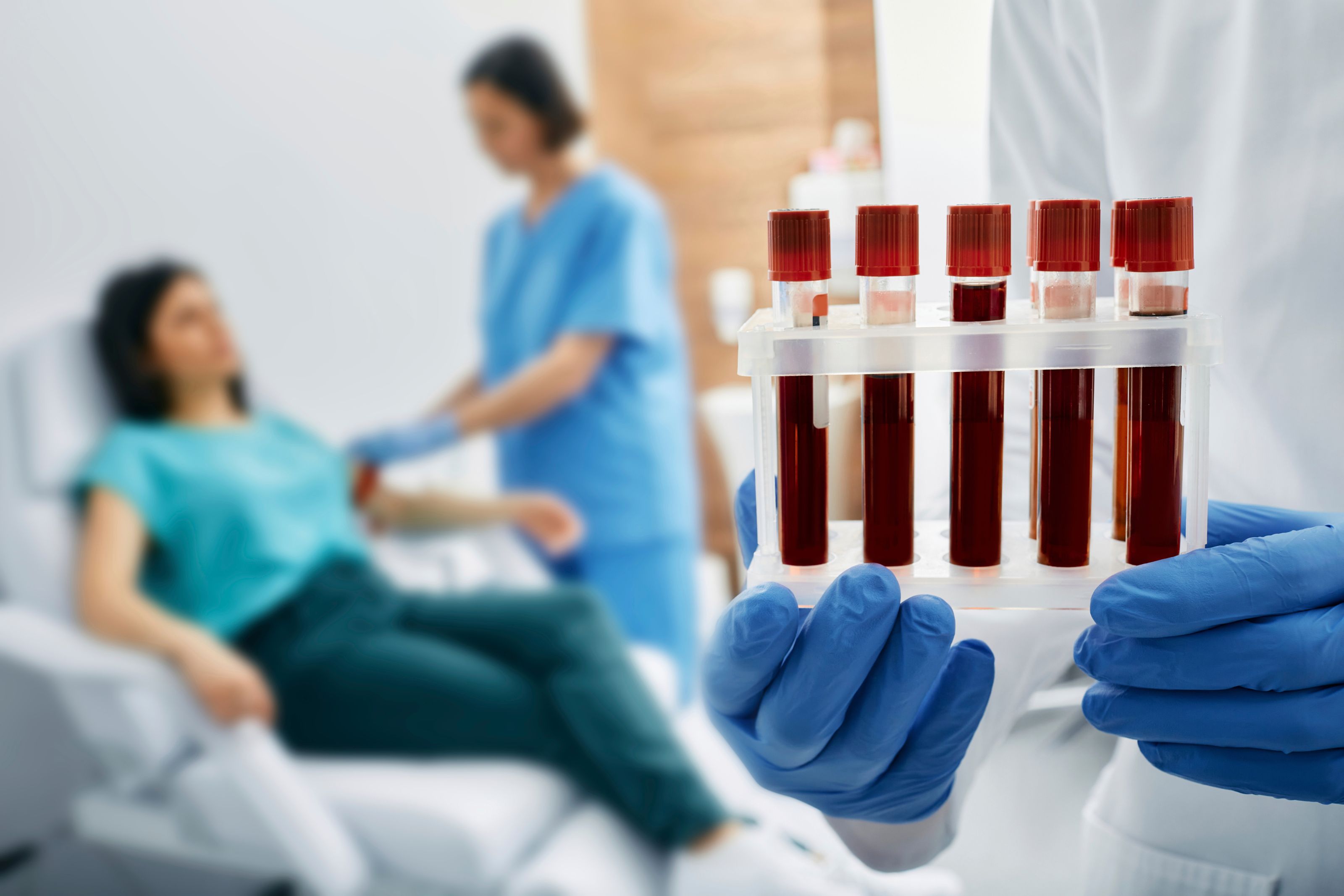
Effective management of hormonal imbalances begins with thorough testing. Dr. Coulombe, ND employs various assessment tools, including blood tests, salivary hormone tests, and symptom questionnaires, to gain insight into hormonal health. Based on the findings, a holistic treatment plan may include dietary adjustments, herbal remedies, and lifestyle changes. Emphasis is placed on safe, natural therapies that support the body’s innate ability to heal while addressing the specific needs of each individual, ensuring effective results and lasting wellness.

Section Image

Nutritional Strategies for Hormonal Health

Diet plays a critical role in managing hormonal imbalances. A well-balanced diet rich in whole foods, vegetables, lean proteins, and healthy fats supports hormonal regulation. Certain foods, like flaxseeds, avocados, and cruciferous vegetables, have been shown to promote balance by aiding detoxification and improving metabolism. Avoiding processed foods, refined sugars, and excessive caffeine can help reduce symptoms. Implementing a personalized dietary plan alongside lifestyle modifications can significantly enhance hormonal health and overall well-being.

FAQs

Frequently Asked Questions

Diagnosis of hormonal imbalance typically involves an evaluation of symptoms, health history, and specific hormone tests. Naturopathic assessments focus on identifying underlying causes for a comprehensive understanding.

Common treatments include dietary strategies, herbal remedies, lifestyle modifications, and stress management techniques tailored to individual needs, addressing the root causes of imbalances.

Yes, lifestyle changes such as regular exercise, proper sleep hygiene, balanced nutrition, and stress-reduction techniques can significantly improve hormonal health and restore balance.